sales@jzjglass.com
Core Process

Physical Tempering (Heat Strengthening)

Thermal Quenching Process for 5x Stronger Safety Glass with Safe Break Pattern

Engineer Consultation
Process Overview

Thermal Quenching for Maximum Strength

Physical tempering (toughening) creates safety glass by heating annealed glass to approximately 620-700°C, then rapidly quenching the surfaces with forced air while the core cools more slowly. This creates surface compressive stress (90-140MPa) and balancing internal tension.

The result is glass that is 4-5x stronger than annealed glass, with vastly superior thermal shock resistance. When broken, it fractures into small, relatively harmless pebble-like particles rather than sharp jagged shards — making it the preferred safety glass for architectural glazing, shower doors, automotive side/rear windows, and industrial applications.
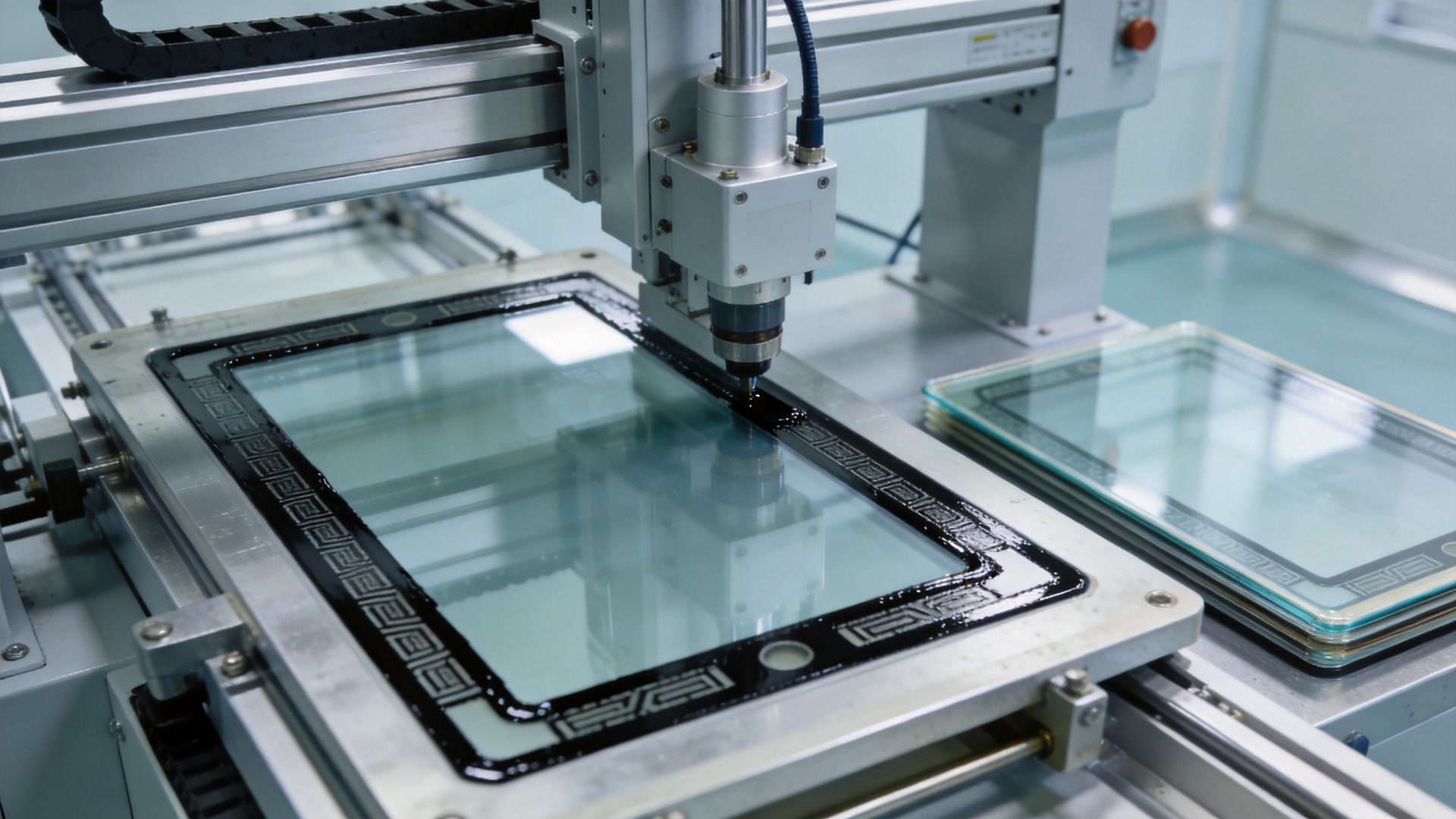
Physical Tempering Process
Specifications

Tempering Specifications

ParameterValue
Glass Thickness3mm - 19mm
Surface Compressive Stress90-140MPa (fully tempered)
Surface Compressive Stress (HS)24-69MPa (heat-strengthened)
Fragment Count40-400 particles in 50×50mm
Thermal Shock ResistanceΔT up to 250°C
Max Panel Size2440 × 3660mm
Min Panel Size150 × 300mm
Heat-Soak TestEN 14179-2 (optional)
Capabilities

Key Tempering Capabilities

Roller hearth tempering furnaces
Fully tempered and heat-strengthened
Heat-soak testing available
Curved/bent tempering capability
Multiple thicknesses 3-19mm
Large format panels up to 2440×3660mm
FAQ

Physical Tempering Questions

Physical tempering is suitable for glass thicknesses from approximately 3mm up to 19mm. Below 3mm, the glass is too thin to maintain the necessary temperature gradient during quenching, and chemical strengthening is the recommended method instead. Our optimal tempering range is 4mm to 12mm for architectural and automotive applications. For glass thinner than 3mm, please refer to our chemical strengthening process.
Heat-strengthened (HS) glass has surface compressive stress of 24-69MPa and breaks into larger pieces, similar to annealed glass but with 2x strength. Fully tempered (FT) glass has surface compressive stress >69MPa (typically 90-140MPa) and breaks into small granular particles for maximum safety. Heat-strengthened glass is used for facade glazing where thermal stress resistance is needed; fully tempered glass is required for safety glazing applications like doors, shower enclosures, and balustrades per building codes.
No. Tempered glass cannot be cut, drilled, edged, or shaped after tempering. Any modification to tempered glass will cause it to shatter completely due to the internal stress state. All fabrication (cutting, drilling, edge finishing, notching) must be completed BEFORE the tempering process. Always provide final drawings with all holes, cutouts, and dimensions before production begins. We cannot modify tempered glass once it has been through the furnace.
Heat-soak testing (HST) places tempered glass in an oven at ~290°C for several hours to accelerate spontaneous breakage caused by nickel sulfide (NiS) inclusions. NiS impurities can cause tempered glass to spontaneously break months or years after installation. HST reduces this risk from ~1/100 tons to <1/1000 tons. HST is recommended for architectural applications where breakage could cause injury or high replacement costs, such as curtain walls, overhead glazing, and balustrades in public buildings.
Our tempering furnaces can accommodate glass panels up to 2440×3660mm (approximately 8×12 feet). Minimum tempering size is approximately 150×300mm, depending on thickness. For oversized panels beyond our furnace capacity, we can arrange special production through our partner facilities or recommend laminated glass as an alternative. Standard export packaging supports panels up to 2440×3660mm in specially designed steel stillages for sea freight and container transport.

Engineer Consultation

Specify your glass type, thickness, and application requirements — we'll recommend fully tempered or heat-strengthened accordingly.

Get a Tempering Quote